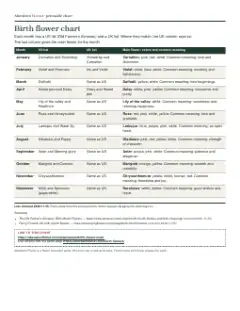
Birth flower chart
All 12 months, US and UK lists, with the main flower’s colors and meaning.
Ten one-to-three page PDFs made from the same sourced data as the guides. Print them, pin them up or link to them.
The guides on this site hold a lot of tables: the birth flowers for every month, the meaning of each rose color, how many bags of mulch a bed needs. A table is easy to read on a screen and awkward to read in the garden shed or beside the sink. These PDFs take the tables from the same data files as the pages and set them for paper, so the printed sheet and the web page cannot disagree.
Every chart has the same three things at the bottom: the date we last checked the sources, the sources themselves with their addresses written out so they survive printing, and a box with the link to that chart. If a source changes, the chart is rebuilt from the updated data and the date moves.
All 12 months, US and UK lists, with the main flower’s colors and meaning.
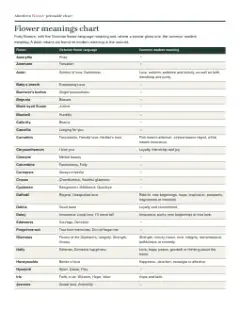
40 flowers with their Victorian and common modern meanings.
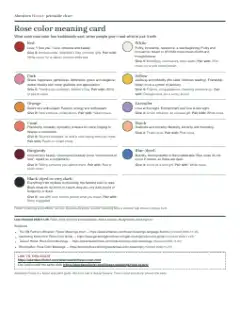
Eleven rose colors: what they say, when to give them, what to pair.
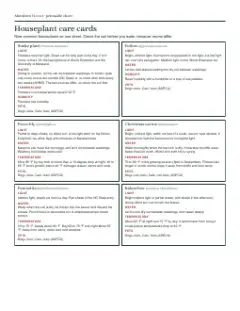
Light, water, temperature, humidity and ASPCA pet status for nine plants.
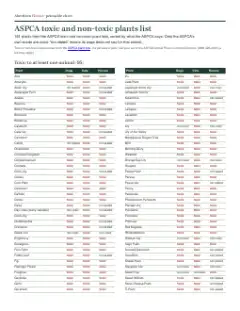
161 plants sorted by what the ASPCA lists for dogs, cats and horses.
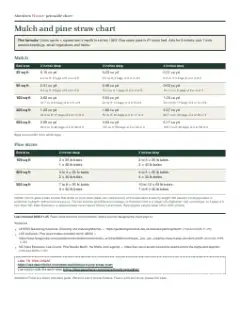
Cubic yards, bags and bales for common bed sizes and depths.
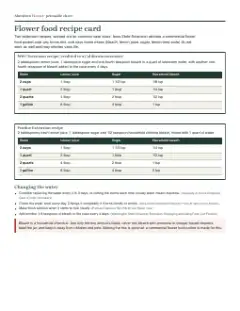
Two extension recipes for vases from 2 cups to 1 gallon, with safety notes.
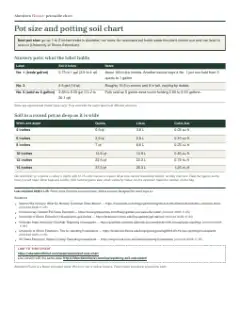
Nursery pot labels, soil per pot and how much bigger the next pot should be.
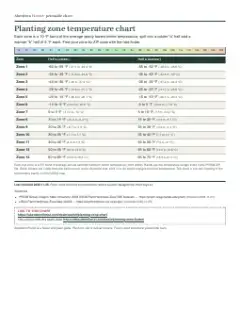
All 26 half zones with winter low temperatures in °F and °C.
Flowers. The birth flower chart lists the US and UK flower for each month on one page. The flower meanings chart gives 40 flowers with the Victorian meaning and, where a source gives one, the common modern meaning. The rose color card covers the eleven colors we have two or more sources for. Meanings are tradition, not fact, and the sources do not always agree, so the sheets say whose meaning is whose.
Houseplants and pets. The care cards put light, water, temperature, humidity and pet status for nine plants on two sheets, with the extension service behind each line. The toxic and non-toxic list reproduces what the ASPCA says for dogs, cats and horses, and where the ASPCA page does not name an animal the chart says "not stated" rather than guessing. It is a reference, not advice for an emergency: call your vet or the ASPCA Animal Poison Control Center if a pet eats a plant.
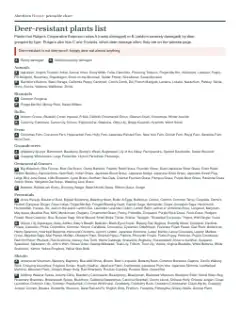
The garden. The deer list shows the plants Rutgers rates A or B. Deer-resistant is not deer-proof, and the sheet says so. The mulch and pine straw chart turns the University of Florida formula into cubic yards and bags for common bed sizes. The pot size chart explains what nursery labels such as No. 3 hold and how much bigger the next pot should be. The planting zone chart lists the winter low temperature for all 26 half zones in degrees Fahrenheit and Celsius.
The kitchen counter. The flower food card gives two extension recipes for vases from two cups to a gallon, with the bleach safety note on the sheet itself, because the sheet may sit near the vase long after the page is closed.
Each PDF is laid out for US Letter paper with narrow margins and prints in black and white if you need it to; the colored header rows and swatches are the only color. Choose "Actual size" or "100%" in your printer settings so the small type stays readable. The longer lists, such as the ASPCA list, are set in two columns to keep them to three pages. If you prefer to print from the web instead, each page's print view hides the menus and the tools and keeps the tables.
You are welcome to print the charts for a classroom, a garden club, a nursery counter or a refrigerator door, and to link to them from your own site. The "Link to this chart" box on each card gives an address that opens this page at that chart. Please link to the address rather than copying the file, so the date and sources you share are always the current ones.
Each PDF lists its own sources. Across the set they include the ASPCA toxic and non-toxic plant lists, Rutgers Cooperative Extension's deer resistance ratings, the Oregon State PRISM group's 2023 plant hardiness zone data, University of Florida, Louisiana State and North Carolina State extension pages on mulch and pine straw, Purdue and Washington State extension pages on flower food, and the Old Farmer's Almanac for birth flowers. The numbers in the mulch, soil and pot tables that are worked out rather than quoted say so on the sheet, with the arithmetic.
Sources: ASPCA: Toxic and Non-toxic Plants (checked 2026-11-25); Rutgers Cooperative Extension: Landscape Plants Rated by Deer Resistance (E271) (checked 2026-11-26); PRISM Group, Oregon State University: 2023 USDA Plant Hardiness Zone GIS Datasets (checked 2026-11-25); UF/IFAS Gardening Solutions: Choosing and Installing Mulches (checked 2026-11-25).
Yes. Print them for yourself, a class or a club. Please link back to this page when you share one online.
Each PDF says when its data was last checked, and the date on this page's cards matches the file. When a source changes, the data file is updated first and the PDFs are rebuilt from it.
It repeats what the ASPCA says for dogs, cats and horses, and says 'not stated' where the ASPCA page is silent. If a pet eats a plant, call your vet or the ASPCA Animal Poison Control Center.