Kalanchoe Care and How to Make It Rebloom
On this page
A succulent that flowers on schedule
The florist kalanchoe, Kalanchoe blossfeldiana, is a flowering succulent from northeast Madagascar in the stonecrop family. NC State Extension says it grows 6 to 18 inches tall and has tiny, long-lasting flowers in red, orange, yellow, pink or white, in clusters above thick, glossy, scalloped leaves. The care starts with the card.
Kalanchoe Kalanchoe blossfeldiana
- Light
- Bright indirect light or partial shade, with shade in the afternoon; strong direct sun can scorch the leaves.
- Water
- Let the soil dry out between waterings, then water deeply.
- Temperature
- About 60 °F at night and 70 °F by day. It cannot take frost: bring it inside before temperatures drop to 45 °F.
- Soil
- A well-drained cactus or succulent potting mix.
- Blooming
- 6 to 8 hours of bright light each day and, in fall and winter, 14 hours of total darkness a day for at least 6 weeks. Buds form only when days are 11 hours or less. Blooms open in spring and last several weeks.
- Pets
- The ASPCA lists Kalanchoe as toxic to cats, toxic to dogs. ASPCA page, checked 2026-11-25
Gear to look at
As an Amazon Associate, Aberdeen Florist earns from qualifying purchases. Disclosure
Light and temperature
NC State says the plant prefers bright indirect light or partial shade, and warns that prolonged direct sun can scorch the leaves, so afternoon shade is recommended. It prefers about 70 °F by day and 60 °F at night. It is intolerant of frost and should be brought indoors in cooler climates before temperatures drop to 45 °F, so a plant moved to a porch for summer needs to come back inside early.
How to water
The Plant Toolbox calls it drought tolerant and says to allow the soil to dry out between waterings and then water them deeply. Overwatering causes root rot or stem rot. Use a well-drained cactus or succulent potting mix, and a pot with a drainage hole. University of Illinois Extension adds that a finger pushed two inches into the soil is the best way to tell when to water, and that a schedule rarely works because the light, temperature, humidity and pot size all change how fast the soil dries.
Test the soil
Push a finger two inches into the mix. Wait if it is damp.
Water deeply
When it has dried, water until water runs from the drainage holes.
Drain the saucer
Do not let the pot sit in water: overwatering causes rot.
Wait again
Let the soil dry before the next watering.
Handy gear on Amazon
SponsoredAs an Amazon Associate, Aberdeen Florist earns from qualifying purchases. See our affiliate disclosure.
VIVOSUN 6.5 Inch Garden Scissors, Orange Pruning Shears for Plants, 1-Pack | Straight Precision Stainless Steel Blades, Comfort Ergonomic Grips, Ideal Snip for Deadheading, Trimming & Shaping Plants
$9.99$5.99
View on Amazon (VIVOSUN 6.5 Inch Garden Scissors, Orange Pruning Shears for Plants, 1-Pack | Straight Precision Stainless Steel Blades, Comfort Ergonomic Grips, Ideal Snip for Deadheading, Trimming & Shaping Plants)Florist Kalanchoe Live Succulent Plants (3 Pack), Flowering Flaming Katy Succulents, Easy Plant Care, Approx. 7 in. Tall, Drought-Tolerant Indoor Houseplants in 3.5 in Pots
$29.99$26.03
View on Amazon (Florist Kalanchoe Live Succulent Plants (3 Pack), Flowering Flaming Katy Succulents, Easy Plant Care, Approx. 7 in. Tall, Drought-Tolerant Indoor Houseplants in 3.5 in Pots)Back to the Roots Organic Succulent and Cactus Soil, 6 Quart | Fast-draining cactus and succulent soil for aloe, jade, cacti and indoor or outdoor plants; peat-free, made in the USA
$10.99$9.49
View on Amazon (Back to the Roots Organic Succulent and Cactus Soil, 6 Quart | Fast-draining cactus and succulent soil for aloe, jade, cacti and indoor or outdoor plants; peat-free, made in the USA)Vensovo 3 Inch Terracotta & Clay Pot for Plant with Drainage, 20 Pack | Clay Flowerpot, Nursery pot for succulents, cactus, herbs, seedlings, Crafts, Wedding Favors
$21.83$20.39
View on Amazon (Vensovo 3 Inch Terracotta & Clay Pot for Plant with Drainage, 20 Pack | Clay Flowerpot, Nursery pot for succulents, cactus, herbs, seedlings, Crafts, Wedding Favors)Kalanchoe Plant Succulents Plants Live Houseplants in White Planter, Live Succulents Live House Plants, Succulent Plants Live Plants Indoor Plants, Live Succulent Plant Lover Gifts by Plants for Pets
$21.05$19.99
View on Amazon (Kalanchoe Plant Succulents Plants Live Houseplants in White Planter, Live Succulents Live House Plants, Succulent Plants Live Plants Indoor Plants, Live Succulent Plant Lover Gifts by Plants for Pets)32pcs Small Mini 2" Terracotta Pot Clay Ceramic Pottery Planter, Cactus Flower Nursery Terra Cotta Pots, with Drainage Hole, for Indoor/Outdoor Succulent Plants, Crafts, Wedding Favor
$17.99
View on Amazon (32pcs Small Mini 2" Terracotta Pot Clay Ceramic Pottery Planter, Cactus Flower Nursery Terra Cotta Pots, with Drainage Hole, for Indoor/Outdoor Succulent Plants, Crafts, Wedding Favor)

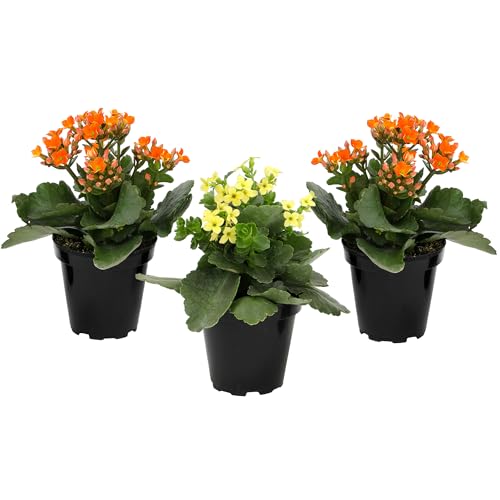


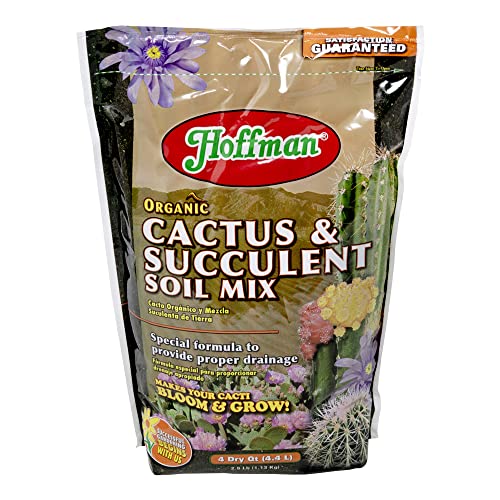


Prices and availability were accurate when retrieved from Amazon and may change. Retrieved Nov 25, 2026.
How to get a kalanchoe to bloom again
Kalanchoe is another short-day plant. The University of Maryland lists it, poinsettia and Christmas cactus together as plants whose buds and flowers develop only when day length is 11 hours or less. NC State describes the schedule in numbers: the plant should receive 6 to 8 hours of bright light every day, and in fall and winter it needs total darkness for 14 hours a day for at least 6 weeks. Blooms then appear in spring and can last for several weeks. The table lays it out as a daily routine.
| Time of day | What the plant gets | Why |
|---|---|---|
| About 8 hours of daytime | Bright light, 6 to 8 hours, out of strong afternoon sun | NC State: 6 to 8 hours of bright light every day; afternoon shade prevents scorching. |
| 14 hours at night | Total darkness: a closet or a box, not a room where lights come on | NC State: 14 hours a day of total darkness resets the bloom cycle. Maryland: buds form only when days are 11 hours or less. |
| How long | At least 6 weeks in fall and winter | NC State |
| After flowering starts | Back to normal care; remove spent flowers to encourage more blooms | NC State: deadhead the spent flowers. |
If the plant fails to bloom, NC State says it may be because it did not get the period of darkness needed to reset the bloom cycle. That is the first thing to check, before you change anything else.
Problems
| What you see | What the sources say | Source |
|---|---|---|
| Soft stems or roots | Overwatering causes root or stem rot | NC State |
| White powder on leaves | Powdery mildew; give the plant good air circulation | NC State |
| No flowers | It did not get the long dark period that resets the bloom cycle | NC State |
| Aphids, mealybugs or spider mites | Common pests | NC State |
Cuttings are an easy way to get new plants: NC State says the kalanchoe can be propagated from stem or leaf cuttings.
Cats, dogs and children
The ASPCA lists kalanchoe as toxic to dogs and cats, and the NC State Plant Toolbox says to keep it out of the reach of children, dogs and cats because of its toxicity if ingested. It is a good plant for a high shelf or a room the pets do not visit, and a poor one for a floor-level windowsill in a home with a plant-chewing cat. The ASPCA plant checker lists alternatives.
Sources: NC State Extension Gardener Plant Toolbox: Kalanchoe blossfeldiana (florist kalanchoe) (checked 2026-11-25); University of Maryland Extension: Lighting for Indoor Plants (checked 2026-11-25); University of Illinois Extension: Watering houseplants (checked 2026-11-25); ASPCA: Toxic and Non-toxic Plants (checked 2026-11-25).
Questions
How do I get a kalanchoe to bloom again?
NC State says to give it 6 to 8 hours of bright light every day and, in fall and winter, 14 hours a day of total darkness for at least 6 weeks. Blooms appear in spring and last for several weeks.
How often should I water a kalanchoe?
Let the soil dry out between waterings, then water deeply, says NC State. Overwatering causes root or stem rot.
Does a kalanchoe need full sun?
No. NC State says it prefers bright indirect sunlight or partial shade, and that prolonged direct sun can scorch the leaves.
Why is my kalanchoe not flowering?
NC State says it may be because the plant did not get the period of darkness needed to reset the bloom cycle.
Is kalanchoe toxic to cats and dogs?
The ASPCA lists kalanchoe as toxic to dogs and cats. NC State says to keep it away from children, dogs and cats. Call your vet or the ASPCA Animal Poison Control Center on (888) 426-4435 if a pet has eaten some; a fee may apply.