Peace Lily Care: Light, Water and What the Leaves Are Telling You
On this page
A shade plant that likes steady moisture
Peace lilies, Spathiphyllum, are about 60 species of semi-evergreen herbs from tropical America and the western Pacific. NC State Extension calls them low-maintenance, and the University of Maryland lists the peace lily among the plants for low light (25 to 100 foot-candles). That makes it one of the plants that suits a room that is not bright. Here is the care in one card.
Peace lily Spathiphyllum
- Light
- Partial to deep shade; no direct sun. A low-light plant on the Illinois Extension (as white flag) and University of Maryland lists.
- Water
- Keep the soil moist but not soggy, and let it dry between waterings. Watering from below works well.
- Temperature
- 68 to 85 °F by day with no more than a 10-degree drop at night. 40 to 60 °F slows growth; below 40 °F damages leaves, stems and roots.
- Soil
- A potting mix high in organic matter.
- Repotting
- Repot only when necessary, in February or March. It needs a large pot but does well somewhat pot-bound.
- Blooming
- No specific bloom time. White blooms turn pale green after 10 days and stay for at least another month.
- Pets
- The ASPCA lists Peace Lily as toxic to cats, toxic to dogs. ASPCA page, checked 2026-11-25
Gear to look at
As an Amazon Associate, Aberdeen Florist earns from qualifying purchases. Disclosure
Light
NC State says peace lilies prefer partial to deep shade and should not be placed in direct sun. In Illinois Extension's light list the peace lily appears under its other name, white flag, among the low-light plants. For a low-light spot, Illinois gives these window distances: a north window a few feet away, an east or west window three to ten feet away, or a south window fifteen to twenty feet away. Direct sun is the thing to avoid: NC State lists excessive direct sunlight as one cause of brown leaf tips.
Water: moist, not soggy
NC State's advice has two halves that fit together: keep the soil moist but not soggy, and allow it to dry between waterings. In practice that means testing the soil. University of Illinois Extension recommends a finger pushed two inches into the soil, and warns that fixed schedules usually fail because light, temperature, humidity and pot size change how fast the soil dries. The Plant Toolbox adds that watering from below works very well for peace lilies.
Test the soil
Push a finger two inches into the soil. If it feels wet, wait.
Water from below
Stand the pot in a few inches of water in a sink or saucer, as Illinois Extension describes sub-irrigation, and take it out when the moisture has wicked up through the soil and shows at the top.
Drain it
Let the pot drain before it goes back on its saucer.
Feed gently
NC State says to fertilize at one-quarter of the recommended strength and to flush the soil between feedings.
Handy gear on Amazon
SponsoredAs an Amazon Associate, Aberdeen Florist earns from qualifying purchases. See our affiliate disclosure.
USANOOKS Microfiber Cleaning Cloth Grey - 12 Pcs (12.5"x12.5") - High Performance - 1200 Washes, Ultra Absorbent Microfiber Towel Weave Grime & Liquid for Streak-Free Mirror Shine - Car Washing Cloth
$6.98
View on Amazon (USANOOKS Microfiber Cleaning Cloth Grey - 12 Pcs (12.5"x12.5") - High Performance - 1200 Washes, Ultra Absorbent Microfiber Towel Weave Grime & Liquid for Streak-Free Mirror Shine - Car Washing Cloth)Fielda 8/10/12 Inch Self Watering Pots for Indoor/Outdoor Plants | Large Plastic Planter with Drainage Holes, Water Level Indicator & Deep Reservoir, Modern Decorative Flower Pots, White
$29.99
View on Amazon (Fielda 8/10/12 Inch Self Watering Pots for Indoor/Outdoor Plants | Large Plastic Planter with Drainage Holes, Water Level Indicator & Deep Reservoir, Modern Decorative Flower Pots, White)Puomue 6 Pack Microfiber Glass Cleaning Cloth, 16 Inch X 16 Inch, Lint Free Quickly Clean Window, Glasses, Windshields, Mirrors, and Stainless Steel, Blue
$8.99$7.64
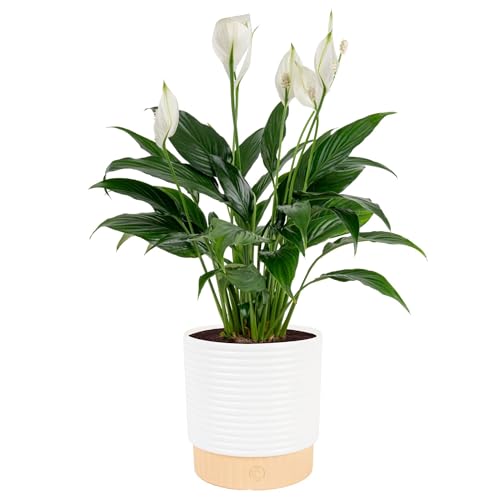
View on Amazon (Puomue 6 Pack Microfiber Glass Cleaning Cloth, 16 Inch X 16 Inch, Lint Free Quickly Clean Window, Glasses, Windshields, Mirrors, and Stainless Steel, Blue)Costa Farms Peace Lily, Live Indoor Plant, Air Purifying, Flowers, 6-In Pot | Glossy foliage with white blooms, forgiving and easy. Enjoy flowers indoors. Great indoor houseplant. About 14-24 in tall.
$27.84
View on Amazon (Costa Farms Peace Lily, Live Indoor Plant, Air Purifying, Flowers, 6-In Pot | Glossy foliage with white blooms, forgiving and easy. Enjoy flowers indoors. Great indoor houseplant. About 14-24 in tall.)Airlab Glass Polishing Streak Free Miracle Cleaning Cloth, Silver-Green | Lint Free Microfiber Cleaning Rags for Glasses Kitchen Dish Mirrors Easy Clean, 12 x 12 Inches, Pack of 6
$11.99$9.48
View on Amazon (Airlab Glass Polishing Streak Free Miracle Cleaning Cloth, Silver-Green | Lint Free Microfiber Cleaning Rags for Glasses Kitchen Dish Mirrors Easy Clean, 12 x 12 Inches, Pack of 6)Vandorelle 8 Pack 4" Self Watering Pots for Indoor Plants, Clear Inner Cup, Small White Plastic Planters, Water Level Indicator, Drainage Holes, Extra 3ft Wick, Cuttings,Seedlings,Herb,African Violets
$23.99$20.39
View on Amazon (Vandorelle 8 Pack 4" Self Watering Pots for Indoor Plants, Clear Inner Cup, Small White Plastic Planters, Water Level Indicator, Drainage Holes, Extra 3ft Wick, Cuttings,Seedlings,Herb,African Violets)YNNICO 8,7, 6.5, 6, 5.5, 5 Inches Self Watering Planters for Indoor Plants | Black,Drainage Holes and Saucers,Modern Lightweight Plastic Plant Pots for Indoor/Outdoor.
$21.99$18.69
View on Amazon (YNNICO 8,7, 6.5, 6, 5.5, 5 Inches Self Watering Planters for Indoor Plants | Black,Drainage Holes and Saucers,Modern Lightweight Plastic Plant Pots for Indoor/Outdoor.)Live Peace Lily Plant, Spathiphyllum, Low Light, Easy to Grow, 4" Pot | Thorsen's Greenhouse, White Blooming Houseplant, Thrives in Low Light, Naturally Air Purifiying (Growers Pot)
$22.99$16.99
View on Amazon (Live Peace Lily Plant, Spathiphyllum, Low Light, Easy to Grow, 4" Pot | Thorsen's Greenhouse, White Blooming Houseplant, Thrives in Low Light, Naturally Air Purifiying (Growers Pot))








Prices and availability were accurate when retrieved from Amazon and may change. Retrieved Nov 25, 2026.
Temperature and humidity
The Plant Toolbox gives a warm range: 68 to 85 °F by day, and no more than a 10-degree drop at night. Cold and drafty conditions of 40 to 60 °F slow growth considerably, and extended periods below 40 °F can damage the leaves, stems and roots. NC State names low humidity as one cause of brown tips but gives no humidity figure and no fix, so treat brown tips as a prompt to check light, watering and humidity together.
What the leaves tell you
The table combines the peace lily entry with University of Illinois Extension's general houseplant troubleshooting page. The last two rows come from that general page and apply to any houseplant, so they are a starting list of things to check, not a diagnosis.
| What you see | What the sources say | Source |
|---|---|---|
| Brown leaf tips | Too much direct sun, underwatering or low humidity | NC State |
| Burned tips and roots after feeding | Over-fertilizing and salt build-up; use a quarter of the recommended strength and flush the soil | NC State |
| Slow growth | Cold, drafty conditions of 40 to 60 °F | NC State |
| Wilts between normal waterings | Check for roots through the drainage holes: a plant that wilts between normal waterings may need repotting | Illinois |
| Symptom | Causes the page lists |
|---|---|
| Leaf drop | Sudden change in temperature, transplanting shock, sudden change in light, over-watering, lack of light |
| Brown leaf tips | Improper watering, cold drafts, insect attack, excess fertilizer |
| Loss of normal color | Over-watering, lack of fertilizer, insect attack, improper light |
| Spotted foliage | Over-watering, burning from direct sunlight, disease |
When to repot a peace lily
NC State's entry says the plant needs a large pot but should be kept somewhat pot-bound, and that you should repot when necessary, in February or March. That is a calm cadence: no yearly schedule. Illinois Extension lists the signs it is necessary: roots growing through the drainage holes or at the soil surface, a soil mass full of roots, smaller new leaves, or a plant that wilts between normal waterings. When you do, go up one to two inches in width, as extension pages recommend, and use a potting mix high in organic matter. The repotting guide has the pot-size tool and the steps.
Flowers
There is no specific bloom time. NC State says the white spathes turn pale green after about 10 days and stay for at least another month. The entry does not say what to do about a plant that will not flower, so we will not guess.
Cats, dogs and people
The ASPCA lists peace lily as toxic to dogs and cats, and the NC State Plant Toolbox gives it a medium severity poison rating and tags it as a problem for children, dogs, cats and horses. It is not a true lily, but the ASPCA lists both peace lilies and true lilies as toxic to cats. If you have a cat, keep it out of reach or choose another plant from the ASPCA plant checker.
Sources: NC State Extension Gardener Plant Toolbox: Spathiphyllum (peace lily) (checked 2026-11-25); University of Illinois Extension: Houseplant Lighting (checked 2026-11-25); University of Maryland Extension: Lighting for Indoor Plants (checked 2026-11-25); University of Illinois Extension: Watering houseplants (checked 2026-11-25); University of Illinois Extension: Houseplant troubleshooting (checked 2026-11-25); University of Illinois Extension: Repotting houseplants (checked 2026-11-25); ASPCA: Toxic and Non-toxic Plants (checked 2026-11-25).
Questions
Why are the tips of my peace lily turning brown?
NC State lists excessive direct sunlight, underwatering and low humidity as the causes of brown leaf tips. Over-fertilizing and salt build-up can also burn the tips and roots.
How often should I water a peace lily?
Keep the soil moist but not soggy and let it dry between waterings, NC State says. Test the soil with a finger two inches deep rather than following a calendar.
How often should I repot a peace lily?
Only when necessary, in February or March, according to NC State. It does best somewhat pot-bound. Roots through the drainage holes are one of the signs from Illinois Extension.
Can a peace lily live in low light?
Yes. NC State says it prefers partial to deep shade, and the University of Maryland and Illinois Extension both list it as a low-light plant.
Is a peace lily toxic to cats?
The ASPCA lists peace lily as toxic to dogs and cats. Call your vet or the ASPCA Animal Poison Control Center on (888) 426-4435 if a pet has eaten some; a fee may apply.