Getting a Christmas Cactus to Bloom Again
On this page
First, which cactus do you have?
Most "Christmas cacti" are something else. The University of Missouri says most of those sold are really Thanksgiving cacti, and many on the market now are hybrids of the two, so extension writers call them all holiday cacti. Purdue's guide gives the quick test: Christmas cacti have scalloped stem segments, Thanksgiving cacti have two to four pointed teeth along the edges and bloom earlier if left to natural day length, and Easter cacti bloom mainly in spring. The care below applies to the whole group.
Christmas cactus Schlumbergera
- Light
- Bright, indirect light, within six feet of a south, east or west window. It tolerates low light but blooms more in brighter light.
- Water
- Water thoroughly when the top inch is dry. It tolerates too little water better than too much. Water less from fall to spring.
- Temperature
- 70 to 80 °F in the growing season (April to September). Flowers last longer in cooler rooms; keep it away from drafts and heat vents.
- Soil
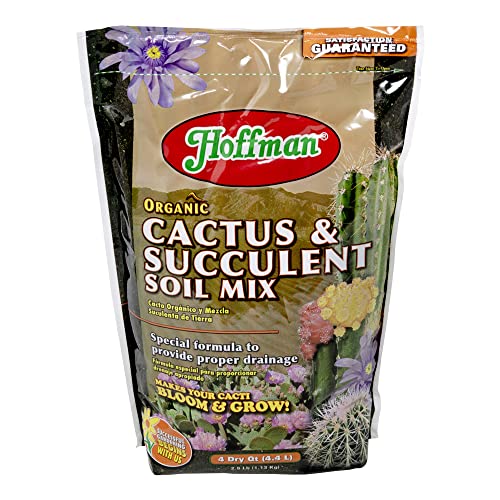
- A well-drained succulent mix, or 2 parts potting soil to 1 part clean sand or vermiculite.
- Repotting
- About every three years. It does best slightly pot-bound, so do not choose a pot too large.
- Blooming
- Short days: about 12 uninterrupted dark hours each night (Purdue, UF/IFAS), or 13 or more with cool nights for the most flowers (Missouri, NC State). Nights of 50 to 55 °F also work. Start in mid-October for holiday bloom.
- Pets
- The ASPCA lists Christmas Cactus as non-toxic to cats, non-toxic to dogs, non-toxic to horses. ASPCA page, checked 2026-11-25
Gear to look at
As an Amazon Associate, Aberdeen Florist earns from qualifying purchases. Disclosure
Why it blooms when it does
Holiday cacti are short-day plants, which means they set flower buds when nights are long. The University of Missouri adds that the response to day length is modified by temperature: flowering occurs whatever the day length if nights are cool, 50 to 55 °F. Most prolific flowering, it says, comes with short days of at least 13 hours of darkness each night and cool nights. Purdue and UF/IFAS give a lower figure, about 12 hours, and the NC State Plant Toolbox lists fewer than 13 uninterrupted dark hours as a reason for reduced flowering. The sources agree on the idea and differ by an hour, so aim for 13.
The bloom calendar
| When | What to do | Source |
|---|---|---|
| April to September | Growing season: 70 to 80 °F, regular feeding. Prune after bloom to encourage branching; do not prune beyond mid-summer. | Missouri; UF/IFAS |
| Summer | Outdoors only in shade or part shade; full sun burns and pales the plant. | Missouri; Purdue |
| Early to mid-October | Start the dark treatment: about 8 pm to 8 am in a closet, for 6 to 8 weeks or until you see buds. Or give it cool nights of about 50 to 55 °F instead, starting by early November. | Purdue; Missouri |
| October to December | Keep it away from artificial light at night, including room lights, street lights and car lights. Reduce water a little; do not let it dry out completely. | UF/IFAS; Missouri |
| Buds forming | Stop moving the plant. Sudden changes in temperature or light cause bud drop. Keep it out of drafts and away from vents. | Missouri; Purdue; UF/IFAS |
| In bloom | Cooler temperatures keep flowers longer. No need to fertilize while it blooms. | Purdue |
| Fall to spring | Reduce watering, and feed only during the growth period of early spring through late summer. | Missouri |
Pick the start date
Mid-October for flowers at the holidays, Purdue says.
Give it long nights
Put it in a closet from 8 pm to 8 am, or in a room that gets no light at night. Even a street light can break the dark period.
Or give it cool nights
A spot of about 50 to 55 °F at night works without the dark treatment, Purdue and Missouri agree.
Water a little less
Missouri says slightly stressing the plant with less water helps flowering. Do not let it dry out: Purdue warns buds may drop if the soil gets too dry.
Leave it alone
Once buds show, do not turn it, move it or put it near a vent.
Handy gear on Amazon
SponsoredAs an Amazon Associate, Aberdeen Florist earns from qualifying purchases. See our affiliate disclosure.
Bleuhome 6 Pack 6 inch Plant Saucer Tray, 4 6 8 10 12 15 17 19 inch Plant Saucers, Heavy Duty Plastic Plant Saucers for Indoors, Bird Bath Bowls, Flower Plant Water Trays for pots Planter (6", Black)
$5.99
View on Amazon (Bleuhome 6 Pack 6 inch Plant Saucer Tray, 4 6 8 10 12 15 17 19 inch Plant Saucers, Heavy Duty Plastic Plant Saucers for Indoors, Bird Bath Bowls, Flower Plant Water Trays for pots Planter (6", Black))Goplus 5ft Pre-Lit Cactus Christmas Tree with 40 Xmas Balls, Bow | Pre-Decorated Lighted Artificial Xmas Tree with 750 Lush Branch Tips, 90 Warm White LED Lights & Folding Metal Stand
$69.99$59.49
View on Amazon (Goplus 5ft Pre-Lit Cactus Christmas Tree with 40 Xmas Balls, Bow | Pre-Decorated Lighted Artificial Xmas Tree with 750 Lush Branch Tips, 90 Warm White LED Lights & Folding Metal Stand)Back to the Roots Organic Succulent and Cactus Soil, 6 Quart | Fast-draining cactus and succulent soil for aloe, jade, cacti and indoor or outdoor plants; peat-free, made in the USA
$10.99$9.49
View on Amazon (Back to the Roots Organic Succulent and Cactus Soil, 6 Quart | Fast-draining cactus and succulent soil for aloe, jade, cacti and indoor or outdoor plants; peat-free, made in the USA)Christmas Cactus Fertilizer - Liquid Plant Food for More Blooms, 8 oz | Helps Reduce Bud Drop, Encourages Repeat Blooms, Kelp-Enriched Formula, Indoor Potted Use, Easy to Mix & Feed
$11.99$9.59
View on Amazon (Christmas Cactus Fertilizer - Liquid Plant Food for More Blooms, 8 oz | Helps Reduce Bud Drop, Encourages Repeat Blooms, Kelp-Enriched Formula, Indoor Potted Use, Easy to Mix & Feed)6 Pack 6 Inch Terracotta & Clay Pots with Plastic Saucer for Plants | Large Terra Cotta Plant Pot with Drainage Hole, Flowerpot for Indoor Outdoor Plants, Crafts, Wedding Favor
$25.89
View on Amazon (6 Pack 6 Inch Terracotta & Clay Pots with Plastic Saucer for Plants | Large Terra Cotta Plant Pot with Drainage Hole, Flowerpot for Indoor Outdoor Plants, Crafts, Wedding Favor)Orceler 6 inch Terracotta & Clay Pots for Plants with Saucer, Medium Terra Cotta Plant Pots with Drainage Hole, Flowerpot with Tray, Terracotta Pot for Indoor Outdoor Plant - Pack of 4 Planters
$23.95
View on Amazon (Orceler 6 inch Terracotta & Clay Pots for Plants with Saucer, Medium Terra Cotta Plant Pots with Drainage Hole, Flowerpot with Tray, Terracotta Pot for Indoor Outdoor Plant - Pack of 4 Planters)Red Christmas Cactus Live Plant, Holiday Cactus, 4-6 Inch Tall | Vibrant Flower Cactus Houseplant, Christmas Cactus Plant Well Rooted for Home and Office
$14.99
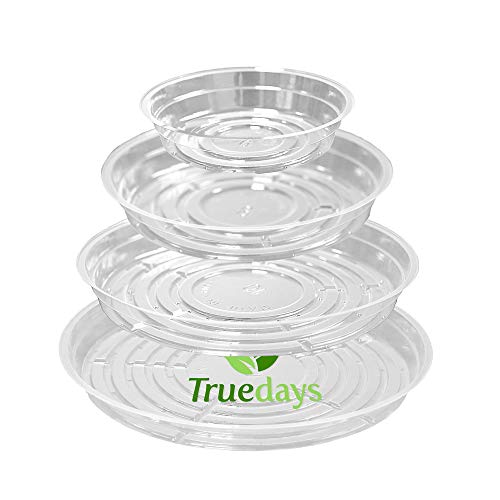
View on Amazon (Red Christmas Cactus Live Plant, Holiday Cactus, 4-6 Inch Tall | Vibrant Flower Cactus Houseplant, Christmas Cactus Plant Well Rooted for Home and Office)TRUEDAYS 20 Pack Plant Saucers (6 inch / 8inch / 10inch / 12inch) Clear Plant Saucers Flower Pot Tray Excellent for Indoor & Outdoor Plants
$19.99$18.99
View on Amazon (TRUEDAYS 20 Pack Plant Saucers (6 inch / 8inch / 10inch / 12inch) Clear Plant Saucers Flower Pot Tray Excellent for Indoor & Outdoor Plants)




Prices and availability were accurate when retrieved from Amazon and may change. Retrieved Nov 25, 2026.
Watering, light and soil
Holiday cacti are tropical, not desert plants. Purdue says they are "not quite as drought tolerant as its desert relatives". UF/IFAS says to water only when the upper inch of soil feels dry, and the University of Missouri says they are much more tolerant of under-watering than overwatering and will not tolerate wet feet. If a saucer collects drainage, empty it so the excess is not wicked back into the pot. For light, UF/IFAS recommends bright, indirect light within six feet of a south, east or west window. Purdue and Missouri both say it can adapt to low light but flowers more in brighter light.
For soil, Purdue recommends a succulent potting mix, or two parts plain potting soil to one part clean sand or vermiculite.
Repotting: a plant that likes to be snug
Holiday cacti flower best slightly pot-bound. UF/IFAS says not to choose a pot too large, and the University of Missouri puts repotting at about every three years in a very porous, well-drained mix. NC State agrees: repot about every three years or so. Purdue gives one sign for an earlier move: a plant that dries out and wilts often may need a slightly larger container. The repotting guide has the pot-size tool.
Why a Christmas cactus drops its buds
| What you see | What the sources say | Source |
|---|---|---|
| Flower buds drop | Sudden change in temperature or light, drafts, or soil that gets too dry | Missouri, Purdue, UF/IFAS |
| No buds | Stray light breaking the long dark period, or too few dark hours | Missouri, NC State |
| Soft stems or rot at the base | Too much water; it is very prone to root rot | Missouri, NC State |
| Stems turn red or limp, or look burned | Too much direct sun | Purdue, NC State |
Pets
The ASPCA lists Christmas cactus as non-toxic to cats, dogs and horses. That is the ASPCA's status for the plant on its list, and it does not mean a pet should eat it. If you are not sure which holiday cactus you have, the ASPCA page for Christmas cactus is the one to check.
Sources: Purdue Extension: Holiday Cactus FAQs (checked 2026-11-25); UF/IFAS Gardening Solutions: Christmas Cactus (checked 2026-11-25); University of Missouri Extension: Holiday Cacti for Winter Color (checked 2026-11-25); NC State Extension Gardener Plant Toolbox: Schlumbergera truncata (Thanksgiving cactus) (checked 2026-11-25); ASPCA: Toxic and Non-toxic Plants (checked 2026-11-25).
Questions
How do I get my Christmas cactus to bloom?
Give it long, uninterrupted nights (about 12 to 13 hours of darkness) or cool nights of 50 to 55 °F, starting around mid-October, and keep it out of artificial light at night. Purdue, UF/IFAS and the University of Missouri give this advice.
Why is my Christmas cactus dropping its buds?
Sudden change in temperature or light, drafts, and soil that gets too dry are the causes the University of Missouri, Purdue and UF/IFAS give.
How often should I water a Christmas cactus?
UF/IFAS says to water only when the upper inch of soil feels dry. Missouri says holiday cacti tolerate under-watering better than overwatering.
How often should I repot a Christmas cactus?
About every three years, according to the University of Missouri and NC State. It flowers best slightly pot-bound.
Is a Christmas cactus toxic to cats and dogs?
The ASPCA lists Christmas cactus as non-toxic to cats, dogs and horses. Call your vet or the ASPCA Animal Poison Control Center on (888) 426-4435 if a pet has eaten a lot of any plant; a fee may apply.