How to Keep a Pothos Healthy: Water, Light and Yellow Leaves
On this page
What a pothos wants
Pothos, Epipremnum aureum, is a trailing vine in the arum family. NC State Extension calls it a low-maintenance, very easy to grow houseplant, and gives the care in a few lines: bright, indirect light, a well-drained potting mix that dries out between waterings, and a little extra humidity. The card collects them.
Pothos Epipremnum aureum
- Light
- Bright, indirect light. Survives for long periods in low light, but low light can cost it its variegation. Medium light on the Illinois Extension list.
- Water
- Let the well-drained potting mix dry out between waterings.
- Humidity
- Raise humidity with a humidifier or a tray of wet pebbles.
- Soil
- Well-drained potting mix.
- Pets
- The ASPCA lists Golden Pothos as toxic to cats, toxic to dogs. ASPCA page, checked 2026-11-25
Gear to look at
As an Amazon Associate, Aberdeen Florist earns from qualifying purchases. Disclosure
How often to water a pothos
People search for a number of days, and no extension source we could open gives one. What the sources give is a test. NC State says to let the potting mix dry out between waterings. University of Illinois Extension says to push a finger into the soil to a depth of two inches, and adds that watering schedules usually do not work: the plant, the temperature, the humidity, the light, the pot size and the mix all change how quickly soil dries.
The watering tool on the houseplant page turns the plant tag's wording into the right check. A pothos in a bright window and a small pot will dry faster than one in a dim corner in a large pot, so the same plant needs checking at different intervals in different homes.
Test the soil
Push a finger two inches into the mix. Damp soil means wait.
Water when it has dried
Water the mix thoroughly so the excess runs out of the drainage hole.
Empty the saucer
Do not let the pot sit in drained water.
Look again next week
Check, do not water by the calendar. The check gets quicker with practice.
Light and the variegated leaves
NC State says pothos prefers bright, indirect light and survives for long periods in low light. The catch, from the same entry, is that low light can cause loss of variegation, so a golden pothos kept in a dim room will turn greener. Illinois Extension puts the pothos in its medium-light group, about 150 foot-candles, which is a spot directly in front of a north window or a few feet from an east or west window.
Handy gear on Amazon
SponsoredAs an Amazon Associate, Aberdeen Florist earns from qualifying purchases. See our affiliate disclosure.
LOYWREE Small Fake Hanging Plant Artificial Potted Plants for Indoor Outdoor Aesthetic - 39in Realistic Faux Hanging Pothos with Ivy Vine for Shelf Decor in Home Office Gardens Greenery (Black Pot)
$9.99$7.99
View on Amazon (LOYWREE Small Fake Hanging Plant Artificial Potted Plants for Indoor Outdoor Aesthetic - 39in Realistic Faux Hanging Pothos with Ivy Vine for Shelf Decor in Home Office Gardens Greenery (Black Pot))Retrograde 32" Fake Plant, Silk Faux Pothos Ivy Plant (Variegated) | Removable Pot Included, Realistic Silk Fake Plants Indoor, Artificial Plants for Hanging, Lush Trailing Fake Pothos
$33.94
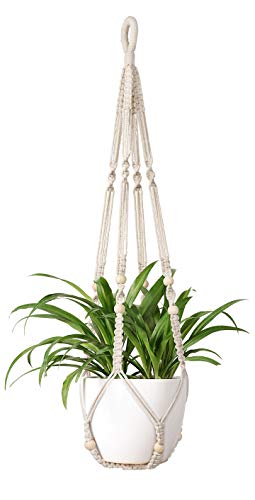
View on Amazon (Retrograde 32" Fake Plant, Silk Faux Pothos Ivy Plant (Variegated) | Removable Pot Included, Realistic Silk Fake Plants Indoor, Artificial Plants for Hanging, Lush Trailing Fake Pothos)Mkono Macrame Plant Hanger Indoor 35 Inch Hanging Planter Basket Ivory 1Pc | Hanging Plant Holder with Decorative Wood Beads, No Tassels, Boho Home Decor, Indoor & Outdoor Use, Flower Pots Not Included
$7.99
View on Amazon (Mkono Macrame Plant Hanger Indoor 35 Inch Hanging Planter Basket Ivory 1Pc | Hanging Plant Holder with Decorative Wood Beads, No Tassels, Boho Home Decor, Indoor & Outdoor Use, Flower Pots Not Included)Live Pothos Plants (4PK) Indoor Plants Live Houseplants, Pothos Live Plant House Plants, Money Plant Indoor Pothos Plant Decor, Devils Ivy Trailing Plants Live by Plants for Pets,Black
$24.99
View on Amazon (Live Pothos Plants (4PK) Indoor Plants Live Houseplants, Pothos Live Plant House Plants, Money Plant Indoor Pothos Plant Decor, Devils Ivy Trailing Plants Live by Plants for Pets,Black)MIPON 3 Pack Macrame Plant Hangers , Hanging Planters for Indoor Plants | 3 Sizes (34"/41"/46") Handmade Cotton with Hooks, Boho Home Decor for Patio Balcony Living Room, Fits 5-10 Inch Pots
$9.99$8.07
View on Amazon (MIPON 3 Pack Macrame Plant Hangers , Hanging Planters for Indoor Plants | 3 Sizes (34"/41"/46") Handmade Cotton with Hooks, Boho Home Decor for Patio Balcony Living Room, Fits 5-10 Inch Pots)Costa Farms Golden Pothos, Live Indoor Plant, Trailing Vine, Air Purifying | Fast-growing trailing vine, one of the easiest to grow. Great indoor houseplant. Ideal housewarming or birthday gift.
$19.97
View on Amazon (Costa Farms Golden Pothos, Live Indoor Plant, Trailing Vine, Air Purifying | Fast-growing trailing vine, one of the easiest to grow. Great indoor houseplant. Ideal housewarming or birthday gift.)Golden Pothos Plant Live House Plant Live Plants, Trailing Plants Live Houseplants, Golden Pothos Live Plant Houseplant, Live Pothos Devils Ivy Live Plant Money Plant Indoor Plants by Plants for Pets
$15.99
View on Amazon (Golden Pothos Plant Live House Plant Live Plants, Trailing Plants Live Houseplants, Golden Pothos Live Plant Houseplant, Live Pothos Devils Ivy Live Plant Money Plant Indoor Plants by Plants for Pets)4 Pack 16" Moss Pole Monstera Plant Support - Stackable up to 48" | Plant Stakes for Indoor Climbing Plants Potted - Tall Coco Coir Pole Sticks & Accessories for Monstera, Pothos & Philodendron
$14.99$12.74
View on Amazon (4 Pack 16" Moss Pole Monstera Plant Support - Stackable up to 48" | Plant Stakes for Indoor Climbing Plants Potted - Tall Coco Coir Pole Sticks & Accessories for Monstera, Pothos & Philodendron)






Prices and availability were accurate when retrieved from Amazon and may change. Retrieved Nov 26, 2026.
Humidity, feeding and pruning
NC State suggests a humidifier or a tray of wet pebbles to raise humidity, fertilizing every other month except when the plant is dormant in winter, and wiping dusty leaves with a soft rag. Over time the older leaves yellow and fall, which leaves most of the foliage at the ends of the stems. Pruning the stems back keeps a bushy habit. If given a support to climb and enough light, the plant starts to produce large, mature leaves.
Rooting a cutting in water
The same entry notes that pothos vines root easily in water. A cutting from a pruned stem gives you a second plant, or a way to fill a bare pot.
Take a cutting
Cut a stem when you prune it back, with a few leaves on it.
Stand it in water
Put the cut end in a jar of water in bright, indirect light.
Wait for roots
NC State says the vines root easily in water.
Pot it up
Move the rooted cutting into a well-drained potting mix in a pot with a drainage hole.
What the leaves tell you
| What you see | What the sources say | Source |
|---|---|---|
| Blackened leaf edges or root rot | Overwatering | NC State |
| Leaves lose their variegation | Low light | NC State |
| Older leaves yellow and fall, leaving leaves at the stem ends | Normal with age; prune stems back to keep the plant bushy | NC State |
| Mealybugs or scale | Pests NC State says to monitor for | NC State |
Most of the problems come from the same few causes, and University of Illinois Extension's troubleshooting page lists them in general terms for any houseplant: leaf drop can come from a sudden change in temperature or light, transplanting shock, overwatering or lack of light; brown tips from improper watering, cold drafts, insects or excess fertilizer; and loss of normal color from overwatering, lack of fertilizer, insects or improper light.
| Where it lives | What the sources say about the light | What to watch |
|---|---|---|
| Bright room near a window | Bright, indirect light is what NC State says a pothos prefers | Test the soil by feel: light is one of the things that changes how fast it dries (Illinois Extension). |
| Medium room away from the window | Illinois's medium group, about 150 foot-candles | A pothos does well here by the Illinois list. Keep testing the soil rather than following a calendar. |
| Dim room, or lit by overhead lamps | Low light: it survives for long periods, says NC State | Variegation can fade. Test the soil by feel before watering. |
Pets
The ASPCA lists pothos (golden pothos, also called devil's ivy) as toxic to dogs and cats. Hang it where a pet cannot reach the trailing stems, or choose a plant the ASPCA lists as non-toxic from the ASPCA plant checker.
Sources: NC State Extension Gardener Plant Toolbox: Epipremnum aureum (pothos) (checked 2026-11-25); University of Illinois Extension: Watering houseplants (checked 2026-11-25); University of Illinois Extension: Houseplant Lighting (checked 2026-11-25); University of Illinois Extension: Houseplant troubleshooting (checked 2026-11-25); ASPCA: Toxic and Non-toxic Plants (checked 2026-11-25).
Questions
How often should I water a pothos?
When the well-drained potting mix has dried out between waterings (NC State). Illinois Extension suggests testing the soil with a finger to two inches deep and says fixed schedules usually do not work.
Why are my pothos leaves turning black at the edges?
NC State says root rot and blackening of the leaf margins can occur with overwatering.
Can a pothos live in low light?
Yes, for long periods, according to NC State. In low light it can lose its variegation.
Can I grow pothos cuttings in water?
Yes. NC State says the vines root easily in water.
Is pothos toxic to cats and dogs?
The ASPCA lists pothos as toxic to dogs and cats. Keep it out of reach, and call your vet or the ASPCA Animal Poison Control Center on (888) 426-4435 if a pet has chewed it; a fee may apply.