Snake Plant Care: Light, Water and Repotting
On this page
The snake plant at a glance
The snake plant, Dracaena trifasciata, used to be filed under Sansevieria, and you will still see both names on plant tags. NC State Extension describes it as an erect, clumping evergreen from central Africa that is "quite durable, easily grown, and difficult to kill". The card below puts the sourced care facts in one place.
Snake plant Dracaena trifasciata
- Light
- Tolerates very low light. Direct sun for only part of the day, 2 to 6 hours, is best. On the low-light lists of Illinois Extension and the University of Maryland.
- Water
- Spring to autumn, let the soil dry between waterings. In winter, water only every one to two months (NC State) or no more often than every two weeks (NYBG). The two sources differ, so check the soil first.
- Temperature
- Tolerates cool temperatures around 50 °F.
- Humidity
- Tolerates low humidity.
- Soil
- Well-drained soil.
- Blooming
- Rarely blooms as a houseplant.
- Pets
- The ASPCA lists Snake Plant as toxic to cats, toxic to dogs. ASPCA page, checked 2026-11-25
Gear to look at
As an Amazon Associate, Aberdeen Florist earns from qualifying purchases. Disclosure
Why it forgives neglect, and what it does not forgive
Most houseplants die of kindness. The New York Botanical Garden's plant information service says too much water is the most frequent cause of failure with snake plants, and explains why: they are succulents with shallow roots, and over-watered roots rot easily, which can make the plant fall over. That one fact explains most of the rules below. A snake plant can wait a long time for water. It cannot recover quickly from sitting wet.
Watering through the year
The two sources agree on the idea and differ on the numbers, so here they are side by side. Neither gives a fixed calendar for the growing season: both tell you to let the soil dry first. Use your finger: University of Illinois Extension suggests testing the soil to a depth of two inches, and says schedules usually do not work because light, temperature, humidity, pot size and the potting mix all change how fast soil dries.
| Season | NC State Extension | New York Botanical Garden | What that means for you |
|---|---|---|---|
| Spring to autumn | Allow the soil to dry between waterings | In active growth, allow the soil to just dry between waterings | Wait until the soil is dry before you water again. |
| Winter | Water only every one to two months | In the low light of October to February, water only as often as needed to prevent the leaves puckering, no more than every two weeks | Water far less often. If the leaves pucker, the plant is asking for a drink; if they do not, it is not. |
| After watering | Not stated | Make the mix moist, check back after 15 minutes and remove water sitting in the saucer | Never leave the pot standing in water. |
How to water a snake plant
Check the soil
Push a finger two inches into the soil. If it is damp, stop and check again in a few days.
Water the mix
When it is dry, water until the potting mix is moist. NYBG says to water moderately, not to flood the pot.
Empty the saucer
Come back after about 15 minutes and pour away any water sitting in the saucer.
Slow down in winter
In the short days of winter, wait longer. Watch the leaves: puckering is the signal to water.
Light: the easy part
NC State's advice is a spot where the plant gets direct sun for only part of the day, 2 to 6 hours, because it will tolerate very low light. Both Illinois Extension and the University of Maryland list the snake plant among low-light plants. In foot-candles, Maryland's low band is 25 to 100, and Illinois uses about 75 as its example. Illinois's window rule for low light is a north window a few feet away, an east or west window three to ten feet away, or a south window fifteen to twenty feet away. A sunnier spot is not a mistake, but more light means the soil dries faster, so watch it more closely.
Handy gear on Amazon
SponsoredAs an Amazon Associate, Aberdeen Florist earns from qualifying purchases. See our affiliate disclosure.
XLUX Plant Soil Moisture Meter, for Indoor and Outdoor use, Battery-Free | Since 2015, instant read, anti-rust 304 SST probe, Clear & Easy-to-Read Display, Single-Probe, less hurts to roots
$9.98$8.48
View on Amazon (XLUX Plant Soil Moisture Meter, for Indoor and Outdoor use, Battery-Free | Since 2015, instant read, anti-rust 304 SST probe, Clear & Easy-to-Read Display, Single-Probe, less hurts to roots)Costa Farms Snake Plant, Live Floor Plant, 2-3 Ft. Tall, Decorative Planter | Nearly indestructible and thrives in low light. Great indoor houseplant. Ideal housewarming or birthday gift.
$35.58
View on Amazon (Costa Farms Snake Plant, Live Floor Plant, 2-3 Ft. Tall, Decorative Planter | Nearly indestructible and thrives in low light. Great indoor houseplant. Ideal housewarming or birthday gift.)SONKIR Soil pH Meter, MS02 3-in-1 Soil Moisture/Light/pH Tester Gardening Tool Kits for Plant Care, Great for Garden, Lawn, Farm, Indoor & Outdoor Use (Green)
$9.99$8.49
View on Amazon (SONKIR Soil pH Meter, MS02 3-in-1 Soil Moisture/Light/pH Tester Gardening Tool Kits for Plant Care, Great for Garden, Lawn, Farm, Indoor & Outdoor Use (Green))6 Pack 6 Inch Terracotta & Clay Pots with Plastic Saucer for Plants | Large Terra Cotta Plant Pot with Drainage Hole, Flowerpot for Indoor Outdoor Plants, Crafts, Wedding Favor
$25.89
View on Amazon (6 Pack 6 Inch Terracotta & Clay Pots with Plastic Saucer for Plants | Large Terra Cotta Plant Pot with Drainage Hole, Flowerpot for Indoor Outdoor Plants, Crafts, Wedding Favor)Back to the Roots Organic Succulent and Cactus Soil, 6 Quart | Fast-draining cactus and succulent soil for aloe, jade, cacti and indoor or outdoor plants; peat-free, made in the USA
$10.99$9.49
View on Amazon (Back to the Roots Organic Succulent and Cactus Soil, 6 Quart | Fast-draining cactus and succulent soil for aloe, jade, cacti and indoor or outdoor plants; peat-free, made in the USA)Orceler 6 inch Terracotta & Clay Pots for Plants with Saucer, Medium Terra Cotta Plant Pots with Drainage Hole, Flowerpot with Tray, Terracotta Pot for Indoor Outdoor Plant - Pack of 4 Planters
$23.95
View on Amazon (Orceler 6 inch Terracotta & Clay Pots for Plants with Saucer, Medium Terra Cotta Plant Pots with Drainage Hole, Flowerpot with Tray, Terracotta Pot for Indoor Outdoor Plant - Pack of 4 Planters)Live Snake Plant, Sansevieria trifasciata Superba, Fully Rooted Indoor House Plant in Pot, Mother in Law Tongue Sansevieria Plant, Potted Succulent Plant, Houseplant in Potting Soil by Plants for Pets
$16.49$15.72
View on Amazon (Live Snake Plant, Sansevieria trifasciata Superba, Fully Rooted Indoor House Plant in Pot, Mother in Law Tongue Sansevieria Plant, Potted Succulent Plant, Houseplant in Potting Soil by Plants for Pets)


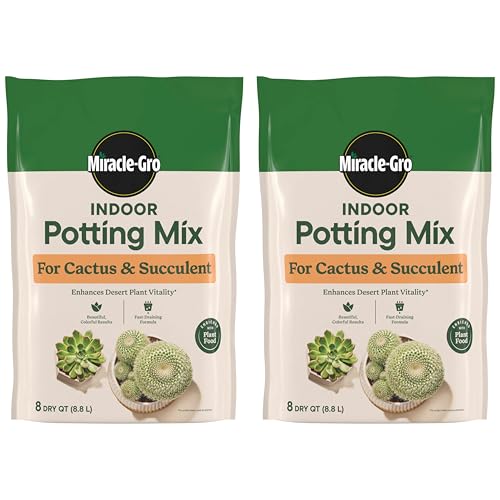

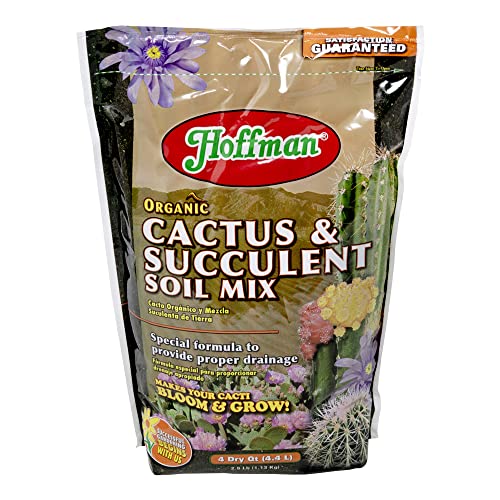

Prices and availability were accurate when retrieved from Amazon and may change. Retrieved Nov 25, 2026.
Temperature, humidity and soil
The Plant Toolbox says snake plants tolerate low humidity and cool temperatures around 50 °F, so a dry heated room is not a problem. It asks for well-drained soil. Use a pot with a drainage hole and a mix that lets water run through.
Repotting
We found no source that gives a repotting interval for snake plants, so we will not invent one. Use the general signs from Illinois Extension: roots growing through the drainage holes or on the soil surface, a soil mass full of roots, or a plant that wilts between normal waterings. Repot in spring or early summer when the plant is growing, and choose a pot only one to two inches wider (the repotting guide has the pot-size tool). Illinois Extension also warns against moving a small plant into a big pot, because the soil then stays too wet for too long.
What the leaves tell you
| What you see | What the sources say | Source |
|---|---|---|
| Soft, rotting roots or a fallen-over plant | Too much water; overwatering causes root rot | NC State, NYBG |
| Mealybugs or spider mites | Pests NC State says to monitor for | NC State |
Blooming is rare indoors. NC State says that in its native habitat it blooms in winter, but as a houseplant it rarely blooms, so do not treat a flowerless plant as a sick one.
Cats, dogs and people
The ASPCA lists the snake plant as toxic to dogs and cats. If you share a home with a pet that chews plants, put it where the pet cannot reach it. The NC State Plant Toolbox rates the plant's poison characteristics as low severity, and tags it as a problem for dogs, cats and horses.
Sources: NC State Extension Gardener Plant Toolbox: Dracaena trifasciata (snake plant) (checked 2026-11-25); NYBG Mertz Library: How should I water a snake plant? (checked 2026-11-25); University of Illinois Extension: Watering houseplants (checked 2026-11-25); University of Illinois Extension: Houseplant Lighting (checked 2026-11-25); University of Maryland Extension: Lighting for Indoor Plants (checked 2026-11-25); University of Illinois Extension: Repotting houseplants (checked 2026-11-25); ASPCA: Toxic and Non-toxic Plants (checked 2026-11-25).
Questions
How often should I water a snake plant?
There is no fixed number. NC State says to let the soil dry between waterings from spring to autumn and to water only every one to two months in winter. The New York Botanical Garden says no more often than every two weeks in winter.
Does a snake plant need direct sun?
No. NC State recommends direct sun for only part of the day, 2 to 6 hours, and says it tolerates very low light.
Why is my snake plant falling over?
The New York Botanical Garden says snake plants have shallow roots that rot easily if over-watered, which can make the plant fall over. Check the roots and the soil before you water again.
Do snake plants flower indoors?
Rarely. NC State says it blooms in winter in its native habitat but rarely as a houseplant.
Is a snake plant safe for cats and dogs?
The ASPCA lists the snake plant as toxic to dogs and cats. Keep it out of reach, and call your vet or the ASPCA Animal Poison Control Center on (888) 426-4435 if a pet has eaten some; a fee may apply.