Poinsettia Care: Keep It Looking Good, Then Get It to Turn Red Again
On this page
Looking after a poinsettia in December
The poinsettia is a shrub from Mexico and Guatemala that NC State Extension says holds the largest share of potted plant sales at Christmas. The "flowers" are the bracts, which are modified leaves; the true flowers are the small yellow cups at their base. A plant that arrives in a paper sleeve from a shop needs care from the minute you leave: University of Illinois Extension says even a few minutes of exposure to low temperatures can damage the bracts and leaves, so have it wrapped properly.
Poinsettia Euphorbia pulcherrima
- Light
- Indirect light, ideally six hours a day. Part shade in the NC State entry.
- Water
- Water when the soil is dry, let it drain into the saucer and discard the excess. Punch holes in decorative foil. A wilted plant drops bracts sooner.
- Temperature
- 55 to 70 °F, ideally about 65 °F. Day 60 to 70 °F and night about 55 °F. Away from vents, doors and cold windows.
- Blooming
- A short-day plant: for Christmas color, complete darkness from 5 pm to 8 am from late September until the bracts color in early to mid-December, with nights between 60 and 70 °F.
- Pets
- The ASPCA lists Poinsettia as toxic to cats, toxic to dogs, toxic to horses. ASPCA page, checked 2026-11-25
Gear to look at
As an Amazon Associate, Aberdeen Florist earns from qualifying purchases. Disclosure
The first six to eight weeks
Illinois Extension's advice is simple. Place the plant in indirect light, ideally six hours daily, and keep it from touching cold windows. Do not put it near heating vents or doors. Keep temperatures between 55 and 70 °F, with 65 °F ideal for healthy plants and more vibrant color. Check the soil daily, and water when it is dry. If the pot is wrapped in foil, punch holes so water can drain into a saucer, then discard the excess. A wilted plant tends to drop bracts sooner. With good care the plant lasts 6 to 8 weeks.
Unwrap it carefully
Keep it out of the cold on the way home, and unwrap it in a warm room.
Find an indirect-light spot
Six hours of light a day is ideal. Keep it off cold glass and away from vents, fireplaces and doors.
Check the soil each day
Water when dry, let it drain, and empty the saucer. Poke holes in decorative foil.
Hold off on fertilizer
Illinois says do not fertilize while it is in bloom.
Handy gear on Amazon
SponsoredAs an Amazon Associate, Aberdeen Florist earns from qualifying purchases. See our affiliate disclosure.
Bleuhome 6 Pack 6 inch Plant Saucer Tray, 4 6 8 10 12 15 17 19 inch Plant Saucers, Heavy Duty Plastic Plant Saucers for Indoors, Bird Bath Bowls, Flower Plant Water Trays for pots Planter (6", Black)
$5.99
View on Amazon (Bleuhome 6 Pack 6 inch Plant Saucer Tray, 4 6 8 10 12 15 17 19 inch Plant Saucers, Heavy Duty Plastic Plant Saucers for Indoors, Bird Bath Bowls, Flower Plant Water Trays for pots Planter (6", Black))Daynight 2Pcs Artificial Poinsettias with Pots Christmas Flowers, 17.7" | Potted Plants Fake Poinsettia Flowers, Christmas Faux Flower, Indoor Outdoor Winter Decor, Xmas Front Porch Decoration
$49.99$42.49
View on Amazon (Daynight 2Pcs Artificial Poinsettias with Pots Christmas Flowers, 17.7" | Potted Plants Fake Poinsettia Flowers, Christmas Faux Flower, Indoor Outdoor Winter Decor, Xmas Front Porch Decoration)XLUX Plant Soil Moisture Meter, for Indoor and Outdoor use, Battery-Free | Since 2015, instant read, anti-rust 304 SST probe, Clear & Easy-to-Read Display, Single-Probe, less hurts to roots
$9.98$8.48
View on Amazon (XLUX Plant Soil Moisture Meter, for Indoor and Outdoor use, Battery-Free | Since 2015, instant read, anti-rust 304 SST probe, Clear & Easy-to-Read Display, Single-Probe, less hurts to roots)Sggvecsy 2PCS Artificial Poinsettia Flowers in Pot Red Velvet for Christmas | 13inch Poinsettias Plant Faux Potted Flower Christmas Decorations for Home Office Indoor Outdoor Garden Xmas Tabletop
$28.99
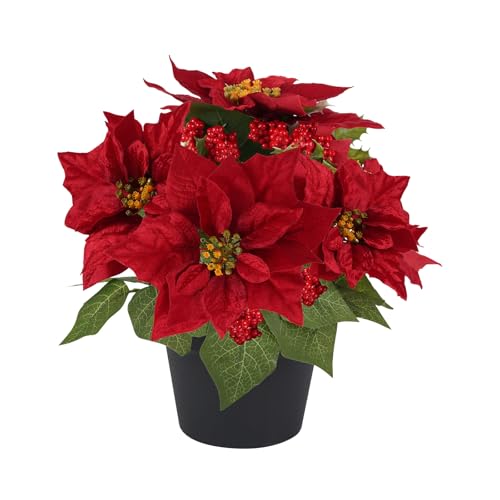
View on Amazon (Sggvecsy 2PCS Artificial Poinsettia Flowers in Pot Red Velvet for Christmas | 13inch Poinsettias Plant Faux Potted Flower Christmas Decorations for Home Office Indoor Outdoor Garden Xmas Tabletop)ZYZEV 14" Artificial Poinsettias Christmas Plants with Red Berry Fake Poinsettia Flowers in Pot for Home Garden Portch Office Indoor Outdoor Christmas Decorations Red
$23.99
View on Amazon (ZYZEV 14" Artificial Poinsettias Christmas Plants with Red Berry Fake Poinsettia Flowers in Pot for Home Garden Portch Office Indoor Outdoor Christmas Decorations Red)Nearly Natural 19” Red Artificial Christmas Poinsettia in Wrapped Planter | Lush Bold Red Faux Flowers for Christmas Decor, Maintenance-Free Artificial Plant in Planter with Red Paper Wrap, 19"H x 17"W
$20.99$17.83
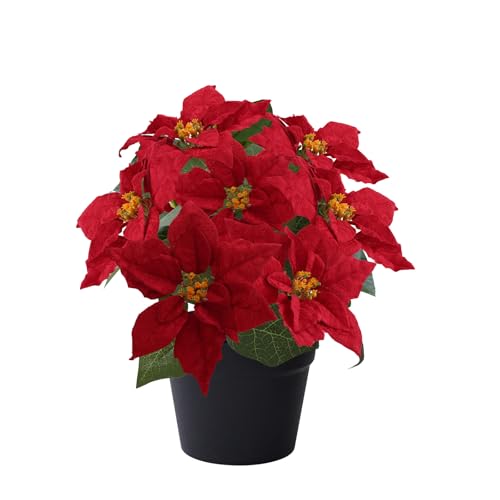
View on Amazon (Nearly Natural 19” Red Artificial Christmas Poinsettia in Wrapped Planter | Lush Bold Red Faux Flowers for Christmas Decor, Maintenance-Free Artificial Plant in Planter with Red Paper Wrap, 19"H x 17"W)MOIAVAN Poinsettia Artificial Christmas Flowers in Pot 9 Heads,15.7 Inch Large Fake Poinsettias Plants for Home Porch Office Indoor Outdoor Christmas Winter Decorations Red
$21.99
View on Amazon (MOIAVAN Poinsettia Artificial Christmas Flowers in Pot 9 Heads,15.7 Inch Large Fake Poinsettias Plants for Home Porch Office Indoor Outdoor Christmas Winter Decorations Red)Tewloss 10-Pack 6 Inch STD Plant Pot Covers - Reusable Dark Green Kraft Paper Gift Wrap Sleeves for Indoor & Outdoor Flower Pots and Home DIY Decor
$22.99$17.99
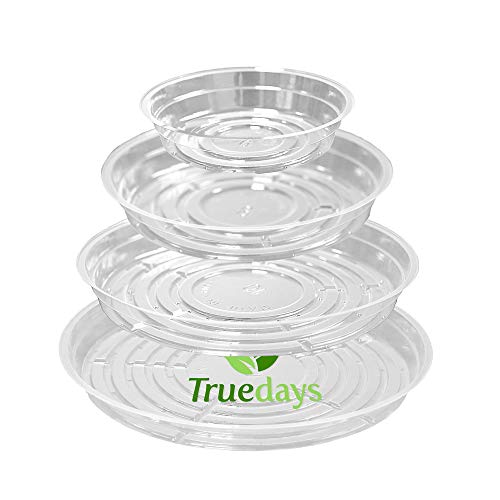
View on Amazon (Tewloss 10-Pack 6 Inch STD Plant Pot Covers - Reusable Dark Green Kraft Paper Gift Wrap Sleeves for Indoor & Outdoor Flower Pots and Home DIY Decor)TRUEDAYS 20 Pack Plant Saucers (6 inch / 8inch / 10inch / 12inch) Clear Plant Saucers Flower Pot Tray Excellent for Indoor & Outdoor Plants
$19.99$18.99
View on Amazon (TRUEDAYS 20 Pack Plant Saucers (6 inch / 8inch / 10inch / 12inch) Clear Plant Saucers Flower Pot Tray Excellent for Indoor & Outdoor Plants)




Prices and availability were accurate when retrieved from Amazon and may change. Retrieved Nov 25, 2026.
Can I make a poinsettia turn red again?
Yes, but it takes effort, and NC State says the plant must be healthy. Poinsettias are short-day plants: they grow leaves in long days and make color when nights are long. The University of Maryland lists poinsettia, kalanchoe and Christmas cactus together as plants whose buds form only when day length is 11 hours or less. The table follows the Illinois Extension schedule, with the NC State figure shown where it differs.
| When | What to do | Source |
|---|---|---|
| After the holidays | When about half the leaves and bracts have dropped, water less until the soil is completely dry. This sends the plant into dormancy. Store it somewhere cool and dark, watering only enough to stop the stems shriveling. | Illinois |
| Early May | When new growth begins, cut the plant back to 4 to 6 inches above the soil. If it needs repotting, do it now. Put it in a sunny window and treat it like any houseplant: water when dry, feed occasionally with dilute fertilizer. | Illinois |
| After the last frost | When nights stay above 50 °F, move it outdoors and bring it into direct sun gradually over a week or two. Place it in 6 to 8 hours of direct sun with afternoon shade. Water more often outdoors. | Illinois |
| Summer | Pinch off the shoot tips every three or four weeks until mid-August, choosing tips with two or three fully expanded leaves below, to keep it compact. Water regularly and feed every couple of weeks. | Illinois |
| When nights reach 55 to 60 °F | Bring it back indoors to a sunny window. | Illinois |
| Late September to early December | Complete darkness from 5 pm to 8 am (a closet or a box over the plant), back in the sunny window by day, until the bracts show good color, usually early to mid-December. NC State gives 16 hours of uninterrupted darkness and 8 of bright light, with nights in the low 60s. | Illinois; NC State |
| Throughout | Keep temperatures between 60 and 70 °F. Nights above 70 to 75 °F may delay or prevent flowering. | Illinois |
Those two dark-period figures differ slightly: Illinois gives 15 hours (5 pm to 8 am) and NC State gives 16. Both say the dark must be complete, so even a lamp coming on in the room can break it, and neither says how much a short interruption matters.
What goes wrong
| What you see | What the sources say | Source |
|---|---|---|
| Bracts and leaves drop | Cold exposure, wilting, heat vents or drafts | Illinois |
| Root or stem rot | Overwatering | NC State |
| Stems snap | The stems are very brittle: handle with care | NC State |
| Won't recolor next year | Light leaking into the dark period, or nights above 70 to 75 °F, which may delay or prevent flowering | Illinois |
Is a poinsettia poisonous?
NC State says poinsettias have low severity as a poison: studies have shown that a significant amount would have to be eaten before it caused even a mild stomach ache. The milky white sap can cause reactions in people with latex allergies, so wear gloves when handling the plant and keep sap out of your eyes. The ASPCA lists poinsettia as toxic to dogs, cats and horses; follow the ASPCA row for your animal and keep the plant out of reach. We make no claim about eating any part of a poinsettia.
Sources: University of Illinois Extension: Caring for Poinsettias (checked 2026-11-25); NC State Extension Gardener Plant Toolbox: Euphorbia pulcherrima (poinsettia) (checked 2026-11-25); University of Maryland Extension: Lighting for Indoor Plants (checked 2026-11-25); ASPCA: Toxic and Non-toxic Plants (checked 2026-11-25).
Questions
How long does a poinsettia last?
With good care a poinsettia will last 6 to 8 weeks in your home, according to Illinois Extension.
How do I make a poinsettia turn red again?
It needs long nights. Illinois Extension says complete darkness from 5 pm to 8 am from about the end of September until the bracts show color in early to mid-December, with nights between 60 and 70 °F. NC State says 16 hours of uninterrupted darkness and 8 hours of bright light.
What do I do with a poinsettia after Christmas?
When about half the leaves and bracts have dropped, water less until the soil is dry and store the plant cool and dark, then cut it back to 4 to 6 inches in early May when new growth starts, says Illinois Extension.
Why is my poinsettia dropping its leaves?
Illinois Extension says cold exposure, heat vents and wilting can all make a poinsettia drop bracts and leaves, and NC State warns that overwatering causes root and stem rot.
Are poinsettias toxic to cats and dogs?
The ASPCA lists poinsettia as toxic to dogs, cats and horses. NC State rates it low severity for people. Call your vet or the ASPCA Animal Poison Control Center on (888) 426-4435 if a pet has eaten some; a fee may apply.